
Woodpeckers in the South West England
Woodpeckers in the South West: Spotlight on the Great Spotted and Friends
Nestled in the verdant landscapes of the South West of England, woodpeckers captivate gardeners and woodland-walkers alike. This region is a stronghold for these fascinating birds, offering a range of habitats from mature woodlands to well-treed gardens, perfect for supporting their unique lifestyles. Here, we explore the woodpeckers most commonly seen in the South West, how to spot them, and what you can do to encourage their presence in your garden or local patch.
Which Woodpeckers Occur in the South West?
Only a few woodpecker species are regularly found in the South West of England. The most widespread and easily observed is the Great Spotted Woodpecker, followed by the Green Woodpecker, which tends to favour open areas with scattered trees. The Lesser Spotted Woodpecker is far rarer, requiring extensive, undisturbed woodland and old trees for survival. In practice, most local sightings in parks, gardens, or woodland walks are of the Great Spotted Woodpecker, which has adapted well to human-altered landscapes and readily visits feeders.
The Great Spotted Woodpecker: Life in the South West
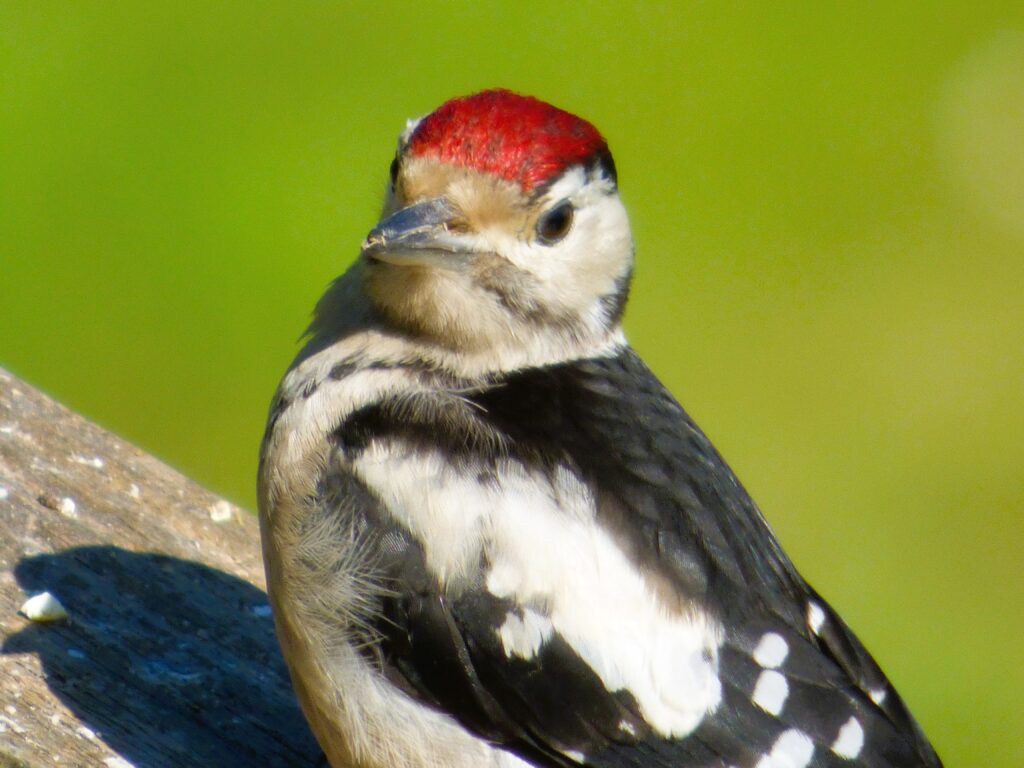
Great Spotted Woodpeckers are strikingly marked birds. They feature black wings and back with white patches, a white underside, and a vivid red patch beneath the tail. Males are distinguished by a red nape, females lack this marking, and juveniles are easily recognised by their red crown. Throughout the year, their activity shifts. Drumming increases in spring as birds establish territories, while feeder visits become more frequent during the colder months when insects are scarce. These woodpeckers are expert foragers, probing tree bark for insects and larvae using their strong bills.
They will also exploit garden feeders, particularly those stocked with peanuts or suet. Drumming is a key behaviour – a rapid, rhythmic pecking often heard in early spring. It serves to claim territory and attract mates. In many parts of the South West of England, this sound is a regular part of the springtime woodland soundscape. Great Spotted Woodpeckers excavate their own nest holes in dead or decaying trees. These cavities are often reused by other birds in later years, making them vital components of the local ecosystem.
In the South West, suitable nest sites can be found in older gardens, hedgerows, and semi-natural woodlands. After breeding, the cavities are abandoned, but their impact remains: supporting birds that cannot create their own nest holes.
How to Observe Woodpeckers in the South West
Look for woodpeckers in mature woodlands, orchards, large gardens, and hedgerows with tall trees. Dead trees and branches are especially valuable, offering food, nest sites, and drumming surfaces. Early morning and late afternoon are ideal times for observing them, as they tend to be more active and vocal during these periods.
Common signs include drumming sounds from tree trunks or wooden posts, deep gouges or damage on peanut and suet feeders, wood chips scattered beneath trees, and round nest holes high in old trunks. Staying still and listening is often more effective than scanning trees. Once you hear drumming or calls, patiently waiting may reveal the bird’s location.
To attract them to your garden, leave deadwood standing if safe, provide appropriate food like unsalted peanuts and suet, minimise disturbance during the breeding season, enhance habitat with mixed vegetation and ground cover, and document activity to better understand their habits.
Challenges & Conservation in the South West
Although the Great Spotted Woodpecker is not considered at risk, certain pressures can impact local populations. These include the loss of deadwood due to overly tidy land management, fragmentation of woodland habitats reducing available territories, disturbance from nearby human activity especially during nesting, and competition for cavities from other birds and mammals. Preserving woodland character, particularly the presence of old and decaying trees, is key to supporting healthy populations in the South West of England.
Why Woodpeckers Matter in the South West
Woodpeckers aren’t just enjoyable to watch—they serve important ecological functions. By feeding on tree-boring insects, they help control pests. Their excavated nest holes are vital for birds like nuthatches, treecreepers, and various species of tit. As indicators of woodland health, their presence often reflects rich insect life and a balanced habitat structure.
In the South West, where traditional woodland and mixed farmland landscapes still hold strong, woodpeckers are both symbols and supporters of local biodiversity. Whether you’re hearing their drumming in early spring, spotting one flash across your garden, or noticing fresh chips under a tree, these birds bring a dynamic presence to the South West of England’s green spaces.