
Woodpeckers
Everything You Need to Know About Woodpeckers
Introduction to Woodpeckers
Woodpeckers are among the most captivating birds in our wild spaces, known for their rhythmic drumming, bold markings, and tree hopping antics. From ancient forests to our very own gardens here in the South West of England, these birds bring drama, mystery, and life to the woodlands. This page is your ultimate guide to all things woodpecker: their biology, their behaviour, the many different species across the world, and what makes them such treasured characters in the Woodpecker Diaries.
Anatomy and Adaptations
Built for Bark
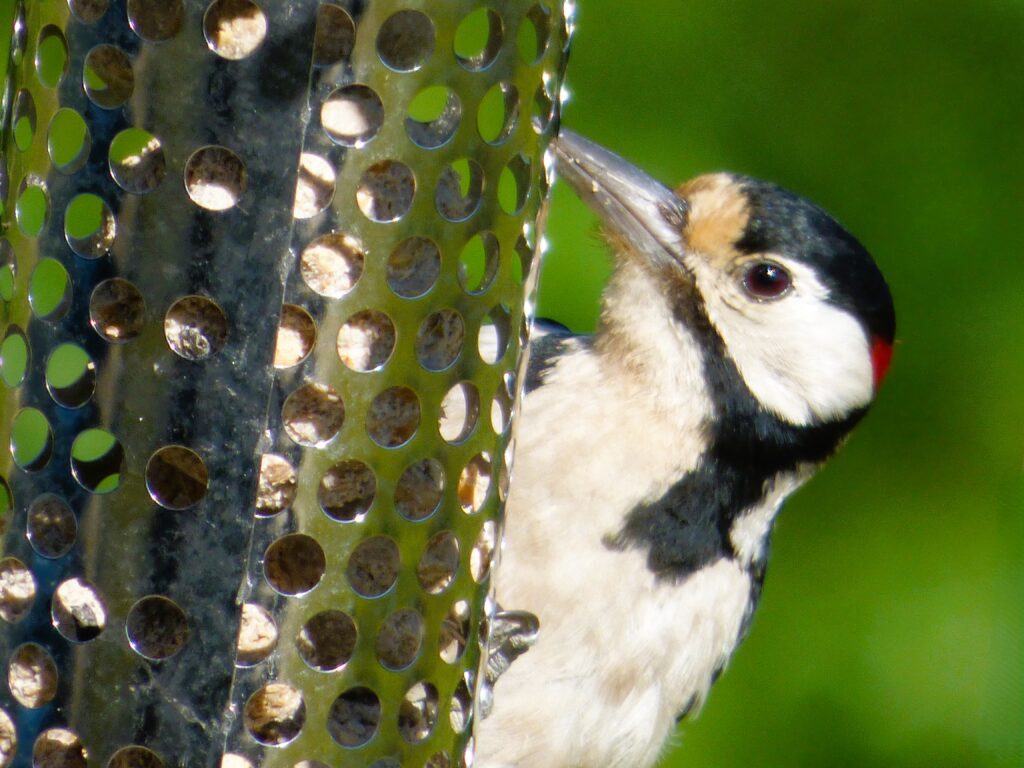
Woodpeckers are engineering marvels. Their chisel like beaks, shock absorbent skulls, and bracing tails make them perfect for life on the vertical. Their feet are zygodactyl, meaning two toes point forward and two backward, allowing them to grip bark with acrobatic ease.
Beak and Tongue Wonders
Their beaks are more than just hammers. They are precise excavation tools. Inside, many species have tongues so long they wrap around their skulls, armed with barbs or sticky tips to extract insects hidden deep within bark. It is this combo of tools that makes them such efficient foragers.
Tail Feathers and Support
Ever noticed how a woodpecker uses its tail like a third leg? Those stiff, pointed feathers act as a prop, stabilising them against tree trunks while they dig, drum or search for food.
Global Woodpecker Diversity
There are over 200 species of woodpeckers across the globe. From the tropics to temperate forests. While our South West woodlands host just a handful, the world stage is packed with a cast of extraordinary drummers.
Woodpeckers of the Americas
In North America, species like the Pileated Woodpecker tower in size and hammer with force. Down through Central and South America, colour and variety bloom. The Crimson Mantled Woodpecker of the Andes or the Blond Crested Woodpecker of Brazil are vivid examples of how diverse and expressive this family can be.
African and Asian Woodpeckers
From the savannahs of Africa to the dense forests of Southeast Asia, woodpeckers thrive in varied habitats. The Grey Woodpecker of sub Saharan Africa or the White Bellied Woodpecker of Sri Lanka are powerful examples of how these birds adapt to different climates and cultures of trees.
European Representatives
Europe hosts fewer species, but some of the most characterful. From the bold Great Spotted to the elusive Wryneck, European woodpeckers show a full range of behaviours, drumming patterns, and foraging styles.
In our part of the world, three resident species make up our local woodpecker family. These birds are year round residents in the South West and play a leading role in the stories of Woodpecker Diaries.
The UK Trio
Great Spotted Woodpecker
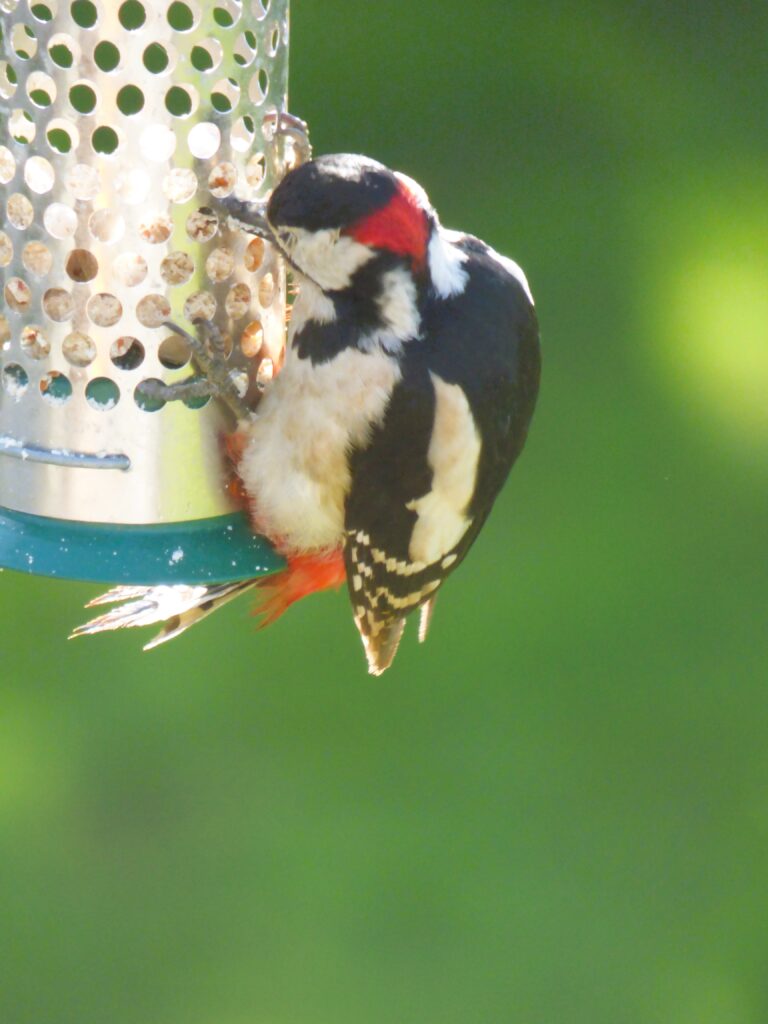
This is our most visible and frequently heard woodpecker. Recognisable by its crisp black and white plumage and a bold flash of red under the tail, the male also wears a red nape. In our gardens, you will often find them on feeders or drumming loudly on resonant branches. Their drumming is fast, short, and sharp, a declaration of territory in spring.
Green Woodpecker
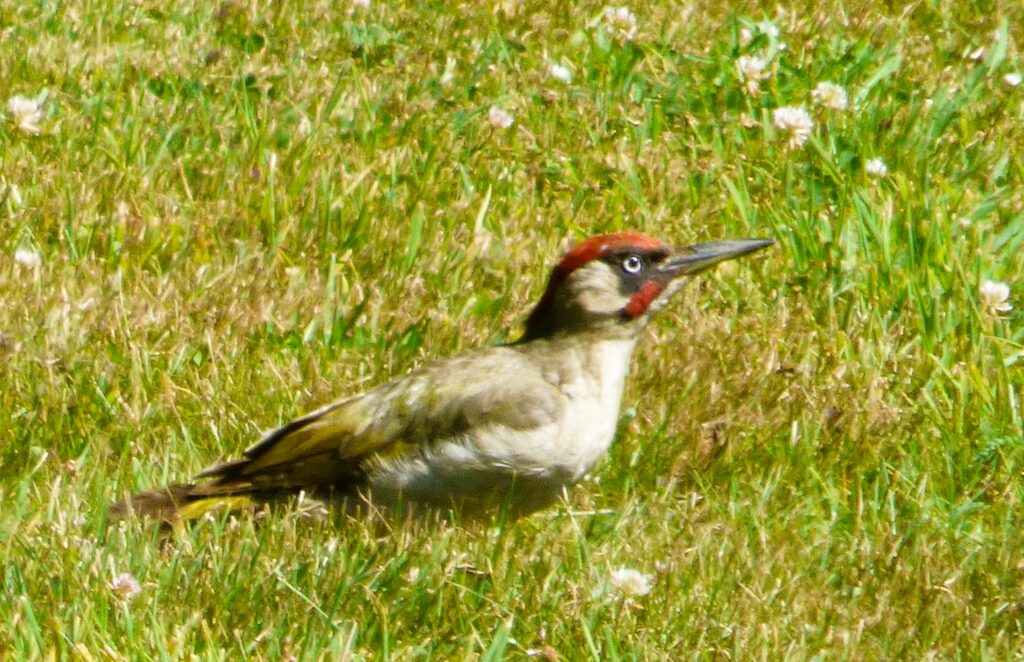
A bird of meadows, orchards, and edge lands, the Green Woodpecker stands apart with its green olive body, red crown, and wild laughing call known locally as the yaffle. (Forever chasing the laugh as it whizzes by! haha) Instead of drumming for food, it is more often found probing for ants in soft soil. We often spot them around grassy patches and woodland margins throughout the South West.
Lesser Spotted Woodpecker
The most elusive of the trio, the Lesser Spotted Woodpecker is declining and rarely seen, (I haven’t seen it yet!) but worth seeking out. Much smaller than the Great Spotted, it is often found higher in the canopy, with delicate barred markings and a quieter, more sustained drumming style. Woodland management practices are key to its survival.
Behaviour and Ecology
Drumming and Communication
Drumming is one of the most iconic sounds of the woodland. Each species has its own tempo and style, used to claim territory, attract a mate, or send a message. Great Spotteds produce sharp, rapid bursts, while Lesser Spotteds offer a slower, more delicate rhythm. Green Woodpeckers rely more on their calls than on drumming.
Feeding and Foraging
Woodpeckers are primarily insectivores. They seek out beetle larvae, ants, and other hidden creatures beneath bark or in the ground. Some species, like sapsuckers, specialise in tree sap. In our gardens, Great Spotteds are known to visit peanut feeders and suet blocks, especially in winter.
Nesting and Raising Young
Most woodpeckers are cavity nesters, carving out holes in dead or softened wood. These nest sites are essential for reproduction. Once excavated, they lay a clutch of white eggs and raise their chicks over several weeks. Both parents often help with feeding and nest protection.
Juvenile Growth
Young woodpeckers, especially the Great Spotted, are easy to spot with their full red caps. Their first weeks out of the nest are full of clumsy hops, soft tapping, and noisy begging calls. Observing their early development is one of the most rewarding parts of following the Woodpecker Diaries.
Threats and Conservation
Habitat Loss
The biggest threat to woodpeckers, both locally and globally, is the removal of dead and decaying wood. Many traditional woodland management practices involve the clearing of standing dead trees which are critical nesting and feeding sites.
Pesticides and Insect Decline
Modern agriculture and pesticide use contribute to a steep decline in insect populations, reducing food sources for insectivorous birds like woodpeckers.
Climate Change
As temperatures shift and seasons blur, breeding times and food availability become mismatched. Some species may benefit and expand ranges, while others struggle to keep up.
How You Can Help
- Leave standing dead wood where it is safe to do so
- Plant native trees and encourage insect rich environments
- Avoid pesticides and herbicides
- Install suitable nest boxes in quiet corners of the garden
- Provide suet and peanuts during cold months
- Record sightings and support citizen science projects
Why we Love Woodpeckers
We love how the Woodpeckers drums in the trees. But more importantly they are indicators of woodland health, natural pest control agents, and builders of homes for countless other species. Their nesting holes become shelter for bats, owls, and insects. Their presence enriches entire ecosystems.
Final Thoughts from the South West
Here in the South West, our Great Spotted Woodpeckers and the occasional Green Woodpeckers feel like neighbours. We hear their calls echo across the valley, watch them raise their young in the old oak just beyond the hedge, and sometimes, if we are lucky, catch the flick of a red tail disappearing into the canopy. The Woodpecker Diaries began as a way to follow their lives more closely, and it has become a celebration of their role in our shared landscape.
Whether you are just discovering these birds or have followed them for years, may this page help you see them with new wonder. And may the woods always echo with their taps, drums, and laughter.