Woodpeckers Go in October
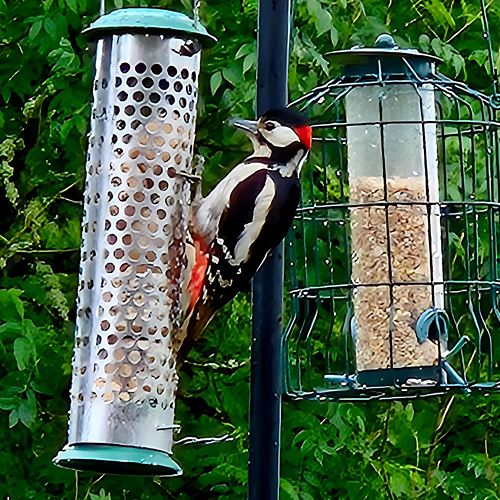
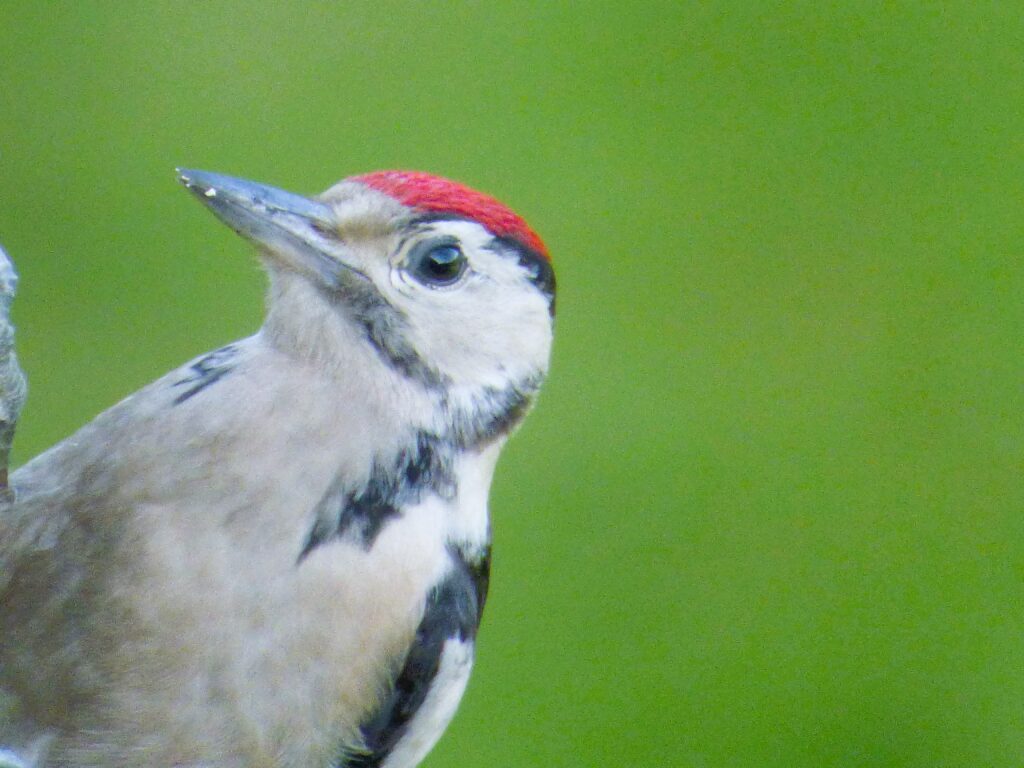
Where do Woodpeckers go in October? October is a funny month in the woodpecker world. One minute your garden is alive with flapping juveniles and frantic suet-feeding, and the next it feels like the birds have vanished. No more red-capped fledglings squabbling on the feeder. No more bold fly-ins from mum or dad.
Just silence. Stillness. Maybe the odd call in the distance if you’re lucky. But don’t worry they haven’t gone far. Great Spotted Woodpeckers don’t migrate. They stay right here in the UK all year round. What changes in October isn’t location, but behaviour. They’re still around, still active just a little quieter and far more deliberate.
The Juvenile Woodpeckers
By October, the young birds have fully fledged and usually dispersed. They leave the natal area in search of new territories — which means less garden activity unless your space sits within a prime territory zone. The adults, meanwhile, start to settle back into their usual autumn routine.
That means less drumming and showing off, and more strategic feeding. You’ll often find them visiting trees rather than feeders. They’re looking for grubs beneath bark or tapping into rotting wood, especially as natural food sources become scarcer. Feeder visits don’t stop altogether, but they’re shorter, less frequent, and more purposeful. No more loitering.
One big shift is in their vocal behaviour. They go quiet. The “kik kik” calls become rare. Drumming all but disappears. This isn’t laziness — it’s strategic. With territories already established earlier in the year, there’s no need to advertise. There’s less daylight, colder air, and fewer rivals.
So they conserve energy. It’s the same with their movement. They stick to known spots, travel shorter distances, and rarely take unnecessary risks. If your garden isn’t part of their core area, they might skip it for a while. If it is, you’ll still get visits but often at dawn or dusk, with little fanfare.
October is also about prepping for winter. Some woodpeckers start caching food — tucking seeds and suet scraps into bark crevices or fence posts. You might see them fly off with a single peanut in their beak and not return for ages. They’re planning ahead, building their private stash.
Others begin scouting for reliable roosting spots. These are different from nest holes, less effort to dig, usually reused year after year, and often much more hidden. I’ve seen birds sneak into the same rotting willow trunk at sundown like clockwork for weeks. It’s a whole secret world, happening quietly while we rake leaves and switch on the heating.
So while it might seem like October is the end of woodpecker season, it’s really just a shift in tempo. They’re still there, still thriving but not putting on a show. You’ll need a bit more patience to spot them, a keener eye, a better sense of time. Early mornings and quiet corners will reward you.
And when you do catch one, clinging silently to a mossy trunk in soft autumn light, it feels even more special. Like being let in on a secret. One knock at a time.